
 By Admin
- May 08, 2026
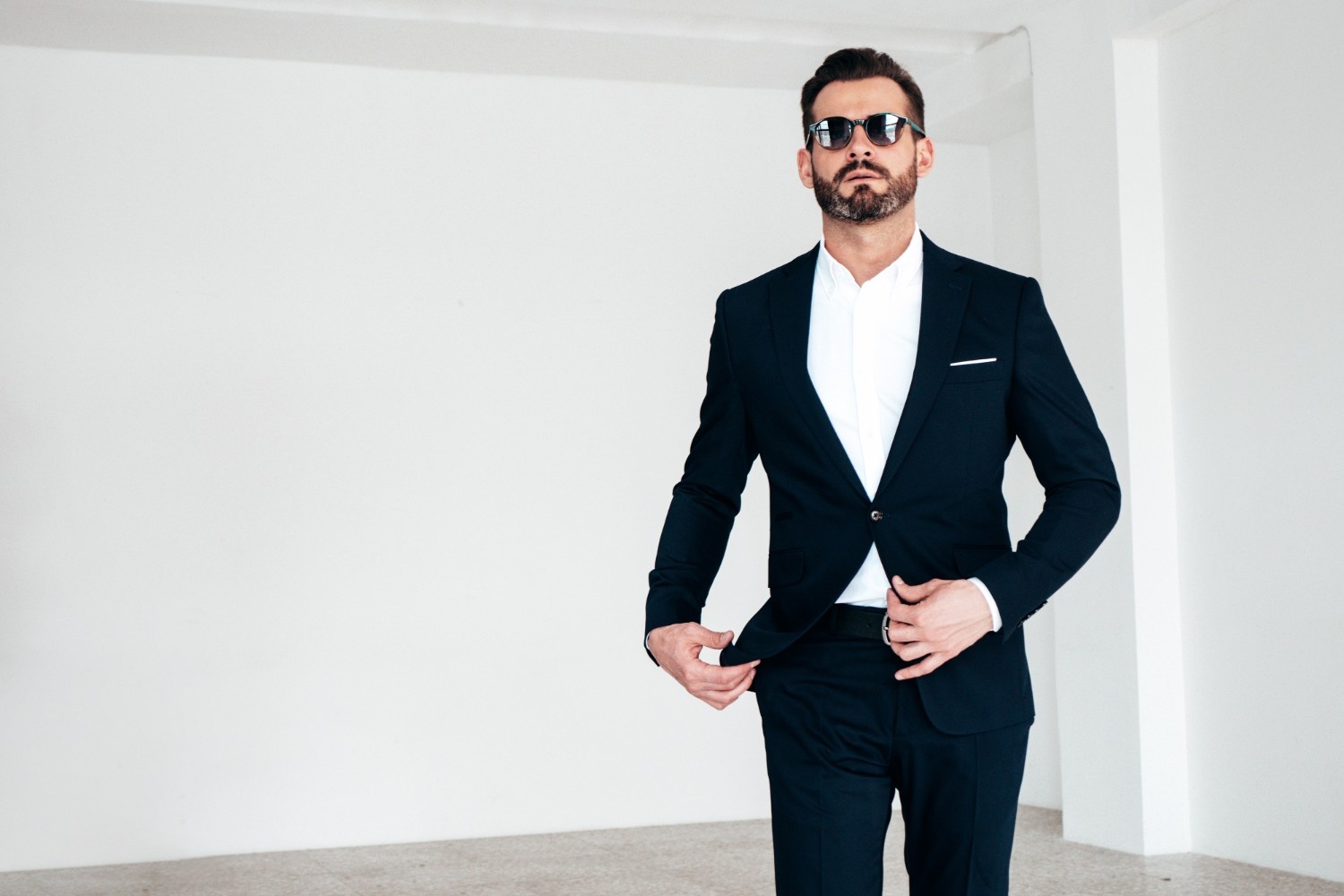
The New Era of Sartorial Diplomacy: PCJ Group’s Semi-Formal Revolution
As we navigate the complexities of 2026, the definition of success is being rewritten. It is no longer measured solely by the sharpness of a lapel or the prestige of a label, but by the impact a brand has on the world it inhabits. In the realm of high-end fashion, the PCJ Group has emerged as a vanguard of this transformation, particularly through its semi-formal wear brands. By blending "Haute Couture & Quiet Luxury" with a steadfast commitment to sustainability and inclusivity, the group is proving that sartorial excellence and societal responsibility are not mutually exclusive.
The Architecture of Purpose
The global fashion landscape is currently grappling with the most significant overhaul of trade and sustainability legislation in a generation—the "2026 Sustainable Apparel and Ethical Trade Act". This political development has introduced tiered tariffs based on carbon footprints, sending shockwaves through an industry often criticized for its "disposable" culture. In this climate, PCJ Group’s semi-formal brands—led by primary titans JC Brothers and JC & CO—serve as a framework for professional stature that aligns with modern mandates.
JC Brothers, world-renowned for its structured professionalism, has successfully transitioned its core philosophy toward "Architectural Minimalism". By utilizing high-quality materials like silk-twill and structured khaki, the brand offers "Investment Pieces" that counter the waste targeted by new regulations. The societal impact is clear: by encouraging consumers to invest in durability, JC Brothers is actively reducing the textile waste that often plagues the mass market.
Fluidity as a Moral Mandate
While structure provides a foundation, JC & CO represents the modern standard of fluidity. In the "Conscious Consumption" movement of 2026, versatility is the ultimate luxury. JC & CO’s semi-formal collections utilize Italian silk and high-twist cottons to create a "polished utility" look that transitions effortlessly from the boardroom to an evening social function.
This versatility has a profound environmental impact. By providing garments that fulfill multiple roles, JC & CO reduces the need for specialized, single-use apparel, thereby lowering the consumer's personal carbon footprint. This approach shifts the narrative from "more is more" to a refined focus on items that "really and truly fit" the multi-faceted lives of modern individuals.
The XL Revolution: Designing for Dignity
Perhaps the most significant societal contribution of the PCJ Group is its commitment to inclusivity through "Smart-Scale Technology". Under brands like Hermana, Kindreds, and JC Big & Tall, the group has moved beyond the traditional "sizing up" of garments, which often results in poor fit and wasted material.
Instead, PCJ’s tailors recalibrate the entire geometry of the frame—moving darts, adjusting shoulder slopes, and lowering button stances to match the natural waistline of the wearer. This precision tailoring provides a "bespoke-infused" experience that honors the physique of the curvy or tall individual. By ensuring a perfect fit on the first purchase, PCJ significantly reduces the rate of returns—a major logistical cost and environmental burden in global trade. This is fashion as a tool for empowerment, ensuring that every individual can command a room with confidence and dignity.
Specialized Excellence: Niche Impacts
The PCJ Group’s vast network of secondary brands allows for rapid pivoting to niche trends and specific societal needs. Brands like Sharp and Don Juan cater to the visionary gentleman, offering "lightweight formal" trends that prioritize personality and modern ethics. These brands address the push for "Inclusive Ethics" by offering a wide range of fits that move past the "sample-size" obsessions of the past, honoring the diversity of the human form.
On the feminine side, brands such as Posh, Modish, and Delicacy demonstrate how luxury can adapt to economic uncertainty. By moving away from mass-market production toward "Haute Couture & Quiet Luxury," these brands preserve the intrinsic value of their creations while utilizing sustainable materials. The use of "Color Alchemy"—pairing neutrals with bold pops like Mandarin Orange—offers a "dopamine hit" of renewal in a somber global political landscape, proving that fashion can serve as a catalyst for emotional well-being.
Economic Resilience and Regional Empowerment
The PCJ Group’s impact extends far beyond the fabric of its suits. In response to global trade volatility, the group has initiated a strategic regional pivot toward emerging markets, most notably South Africa. Following the 2025 Allfashion Sourcing Event in Cape Town, PCJ recognized the potential of establishing local distribution hubs in Johannesburg and Cape Town.
This "Brand Awareness" strategy is not merely about expansion; it is about local empowerment. By bypassing the logistical hurdles of a purely US-centric model, PCJ provides African wholesalers with direct access to luxury semi-formal wear. This decentralized supply chain creates local jobs and fosters a resilient economic alternative that is less vulnerable to disruptions in traditional Northern Hemisphere routes.
Furthermore, the group's investment in "Sustainable Luxury" through secondary brands like Junto and Affinity prioritizes GOTS-certified organic cotton and biotech-enhanced linen. These choices align with the values of Gen Z and Millennial consumers who demand ethical transparency from the brands they support. By investing $75 million to introduce products across 43 countries, PCJ is ensuring that its logistics are as agile and ethical as its design team.
Maintaining a Sustainable Legacy
A PCJ Group semi-formal garment is an investment in longevity. The group actively educates its clientele on proper maintenance to ensure their pieces survive the "sandbox" of daily life. By advocating for wide, contoured hangers to maintain shoulder shape and recommending that professional dry cleaning be used sparingly, PCJ promotes a culture of care that extends the life of the garment. This commitment to longevity is the ultimate response to the current political shift toward environmental responsibility in fashion.
Conclusion: The Future of Stature
The semi-formal wear of the PCJ Group represents more than just a dress code; it represents a commitment to the future. In a world of fluctuating tariffs and geopolitical instability, the group has proven that sophistication is the best defense against volatility. By doubling down on its primary titans and empowering its specialized collectives, PCJ is architecting a visual language for 21st-century leadership.
Whether through the "Architecture of Diplomacy" embodied by JC Brothers or the "XL Revolution" that honors every frame, PCJ Group continues to prove that "impossible is just a word". As we look toward the remainder of 2026, the focus remains on respecting the individual and the global mandate for sustainability. In this era of high-stakes regulation, the ultimate luxury is a garment that reflects both the stature of the wearer and the health of the planet.