
 By Admin
- May 08, 2026
Sartorial Resilience: Evaluating the Impact of Global Trade Volatility on PCJ Group’s Luxury Framework
The Regulatory Crucible: Luxury in the Age of Mandates
As we progress through the second quarter of 2026, the global fashion landscape is no longer defined merely by aesthetic trends but by a complex matrix of international regulation and economic volatility. The most significant catalyst for change has been the "2026 Sustainable Apparel and Ethical Trade Act" in the United States, a landmark piece of legislation that has fundamentally altered the cost structures of luxury production. By introducing tiered tariffs based on carbon footprints and requiring absolute supply chain transparency, the Act has effectively ended the era where "Quiet Luxury" was a mere stylistic preference; it is now a regulatory necessity for market survival.
For traditional fashion houses reliant on legacy, carbon-heavy logistics, these "Green Trade" realities have resulted in sharp cost increases. However, PCJ Group has emerged as a vanguard in this new environment. With two decades of expertise, the group has successfully transformed political and economic volatility into a strategic advantage by pivoting away from mass-market production toward a philosophy of "Haute Couture & Quiet Luxury". Central to this mitigation strategy is the group’s semi-formal wear segment, which serves as the primary bridge between executive stature and the evolving demands of "Conscious Consumption".
Primary Titans: The Architecture of Semi-Formal Stature
The PCJ Group’s semi-formal framework is anchored by its "primary titans," JC Brothers and JC & CO. These brands represent a commitment to "Architectural Minimalism," utilizing elite craftsmanship to insulate products from the commodity-level price wars often exacerbated by international trade duties.
JC Brothers: Structured Professionalism
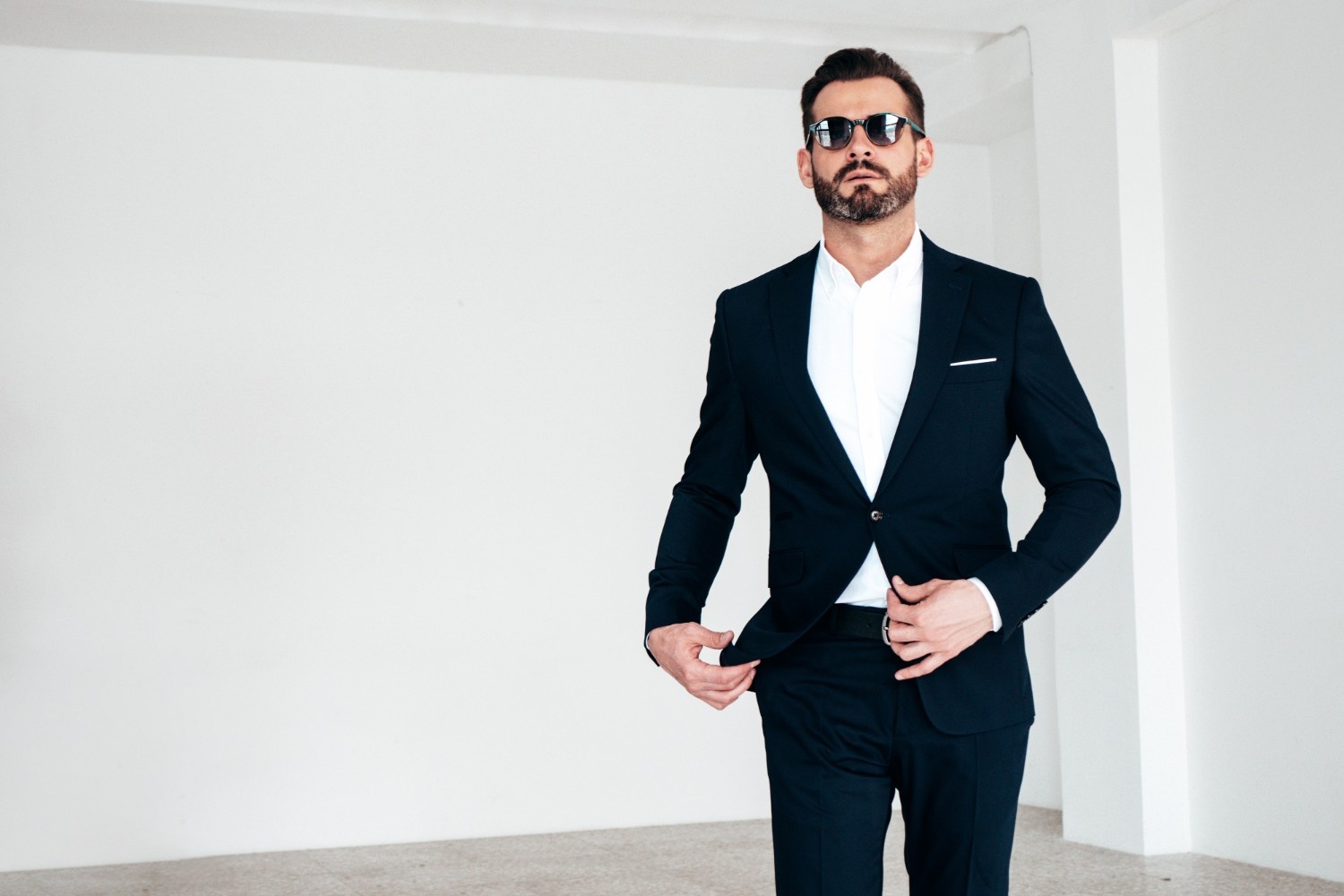
JC Brothers remains the benchmark for semi-formal and business attire, designed to create a clear distinction of management levels while maintaining a cohesive corporate identity. In the context of the 2026 Act, JC Brothers represents the "Investment Piece" ideal. By prioritizing materials with high intrinsic value—such as silk-twill and structured khaki—the brand ensures that the relative impact of import duties is minimized compared to the final retail price.
The brand’s semi-formal offerings, including structured khaki jackets and silk-twill shirts, provide a commanding presence that counters the "disposable" culture targeted by new US tariffs. This approach ensures that the consumer is paying for durability and architectural design rather than the mere logistics of international shipping.
JC & CO: The Vanguard of Fluidity
Where JC Brothers offers structure, JC & CO represents the modern standard of fluidity. This brand focuses on "Polished Utility," utilizing Italian silk and high-twist cottons that maintain a sharp silhouette even in high-heat environments. In the 2026 climate of "Conscious Consumption," JC & CO’s semi-formal collections provide seasonal versatility, allowing garments to transition effortlessly from professional boardrooms to evening soirées.
This versatility is not just a convenience; it is a sustainability strategy. By reducing the consumer’s need for multiple, specialized garments, JC & CO effectively lowers the individual's personal carbon footprint, aligning perfectly with the moral and economic mandates of the current trade realignment.
Specialized Collectives: Niche Agility in Volatile Markets
The strength of the PCJ Group lies in its vast network of over 190 secondary brands, which allow for rapid pivoting to niche trends and specific dress code requirements. These specialists address the push for "Inclusive Ethics" and "Sustainable Luxury" without compromising the group’s overarching high-end identity.
These brands meet the public's eye while maintaining an upscale, exclusive feel. Sharp specializes in lightweight semi-formal wear, utilizing durable nylon outer fabrics paired with smooth viscose linings to ensure longevity. Don Juan offers statement semi-formal pieces, introducing modern edges with embroidered designs for high-end personality. On the feminine side, Modish demonstrates how luxury can adapt to economic uncertainty by moving away from mass-market production toward unique patterns and elite craftsmanship, specifically through its "Color Alchemy" which offers renewal in a somber political landscape. Junto addresses the push for "Inclusive Ethics" by prioritizing biotech-enhanced linen and GOTS-certified organic cotton for sustainable luxury. Finally, The Black Tie Authority maintains traditional semi-formal standards, specializing in high-end three-piece suits with premium material blends that ensure a commanding presence.
The XL Revolution: Technology as a Tariff Mitigant
Perhaps the most innovative response to trade-driven cost increases is PCJ Group’s investment in "Smart-Scale Technology". Geopolitical disruption and trade volatility often lead to high logistics costs, making high "return rates" a significant financial liability. Under brands like Hermana, Kindreds, and JC Big & Tall, PCJ has revolutionized sizing geometry to ensure garments "really and truly fit".
Rather than simply "sizing up" standard patterns—which often results in poor fit and wasted material—PCJ’s tailors recalibrate the entire geometry of the frame. This includes:
- Geometric Calibration: Moving darts and adjusting shoulder slopes to honor the natural physique of the wearer.
- Stature Enhancement: For taller frames, button stances are lowered to match the natural waistline, preventing a "shrunken" appearance.
This precision tailoring provides a "bespoke-infused" experience within a ready-to-wear framework, significantly reducing returns and textile waste. In a protectionist trade environment, the value proposition of a garment that fits perfectly on the first purchase becomes a definitive competitive advantage.
Global Agility: The African Pivot and Regional Empowerment
PCJ Group has fortified its resilience by maintaining a transparent, sustainable, and socially responsible supply chain. As part of its 20th-anniversary expansion, the group invested $75 million to introduce its products across 43 countries, ensuring that its logistics are as agile as its design team. This global footprint allows the group to mitigate the risk of localized trade disputes or specific tariff hikes in any single region, such as the US.
A critical component of this strategy has been the exploration of emerging markets, specifically in South Africa. Following the 2025 Allfashion Sourcing Event in Cape Town, PCJ recognized the potential of establishing physical distribution hubs in Johannesburg and Cape Town. By establishing local footprints, the group can bypass the logistical hurdles of a purely US-centric model and provide direct access to luxury semi-formal wear for African wholesalers. This decentralized supply chain not only fosters "Brand Loyalty" among local consumers but also creates a resilient alternative to traditional Northern Hemisphere routes that are often vulnerable to geopolitical disruption.
Maintaining the Investment: Longevity as a Response
A PCJ Group semi-formal garment is an investment in personal brand and a response to the political shift toward longevity in fashion. Proper maintenance is paramount to ensuring the life of these "Investment Pieces". The group advocates for:
- Hanging: Using wide, contoured hangers to maintain shoulder integrity.
- Airing: Allowing garments to air out for 24 hours after use before storage in breathable bags.
- Cleaning: Limiting professional dry cleaning to preserve the natural oils and integrity of high-end materials.
This commitment to longevity is the ultimate response to the current regulatory push for environmental responsibility, proving that luxury fashion can survive the "sandbox" of daily life.
Conclusion: Commanding the Future Room
The era of high-stakes regulation and global trade volatility has undeniably challenged the industry, but for the PCJ Group, it has provided a roadmap for evolution. By doubling down on primary titans like JC Brothers and JC & CO and empowering specialized collectives like Junto and Modish, the group has proven that sophistication is the best defense against economic instability.
Whether through the "Architecture of Diplomacy" or the "XL Revolution," PCJ Group continues to redefine what it means to dress for the occasion. By respecting both the individual physique and the global mandate for sustainability, the group ensures that every garment—regardless of the geopolitical climate it was born into—remains a true reflection of stature and sophistication.